In 2026, the global stainless steel pot industry faces a dual transformation driven by "technological" and "political" conflicts. Chain reactions in energy, logistics, and population, triggered by the war in Iran, coupled with policy adjustments in key markets such as Southeast Asia, are creating new opportunities for development. This article focuses on the key trends, polydynamics, and implications of the conflicts, and offers practical solutions for overseas expansion and capacity planning.
I. Key Technological Trends: Automation and Green Materials Dominate Competition
1. Automated Manufacturing Moves Toward "Intelligent Connectivity + Flexible Adaptation"
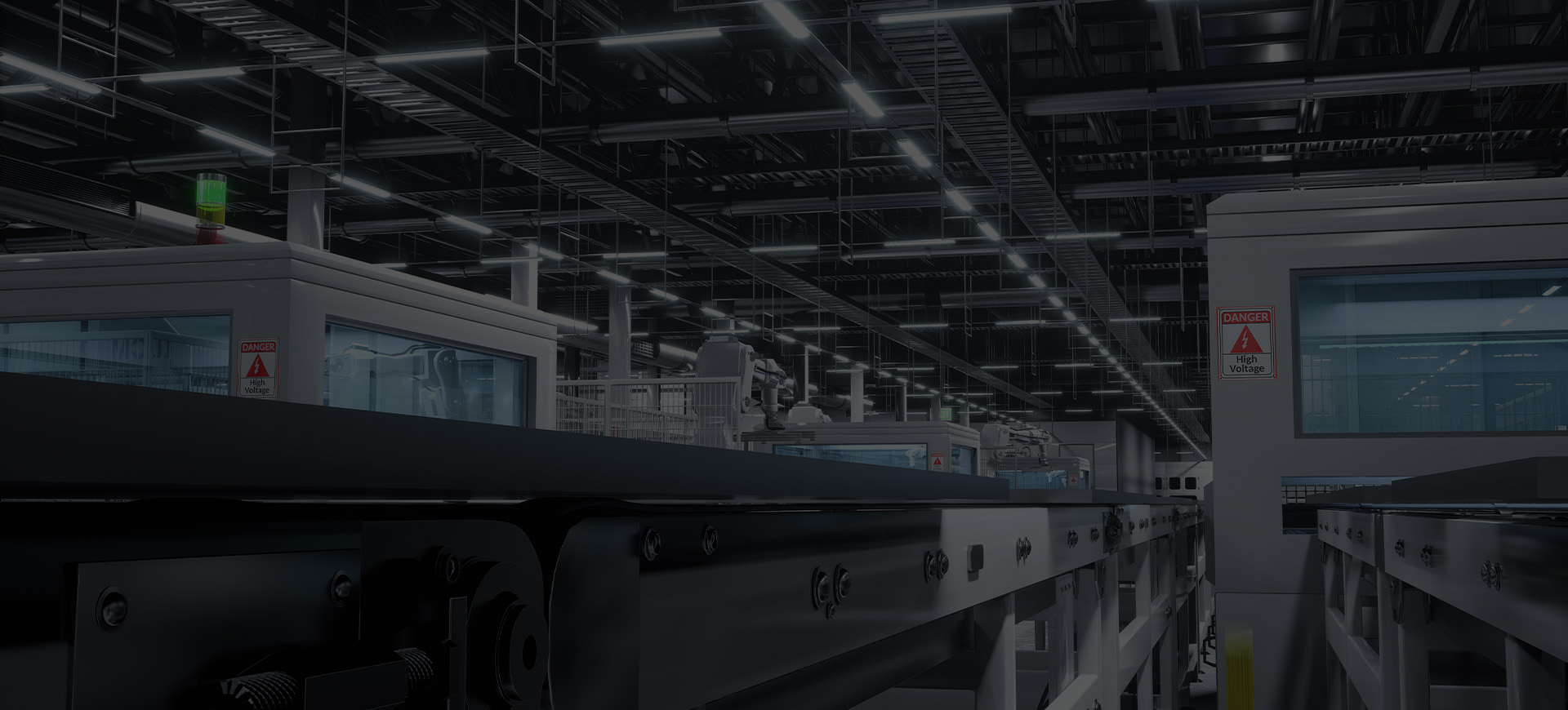
Stainless steel pot manufacturing has entered the era of intelligent, enterprise-wide connectivity. Data from 2026 shows that intelligent production lines integrated with AI-based visual inspection and IoT monitoring can control product defect rates below 0.5%, while increasing efficiency by over 50% compared to traditional lines. Thanks to process-linking algorithms, the entire process of stamping, stretching, welding, and polishing achieves "3-second connectivity," allowing a single plant to achieve a daily output of over 20,000 units. Flexible manufacturing technology supports mold switching for different specifications (e.g., 24 cm-32 cm) within 30 minutes, precisely adapting to the needs of small- and high-volume production in emerging markets. Deep integration of automation and process optimization has enabled leading companies to achieve a product compliance rate of 99.2%, effectively protecting against the risk of capacity loss due to geopolitical conflicts.
2. Eco-friendly materials and structural innovations are becoming key drivers for compliance.
Tightening global environmental policies and modernizing consumption are driving the transformation of stainless steel container materials toward "high performance + eco-friendliness." The market share of medical grade 316L stainless steel increased from 28% in 2019 to 42% in 2024, and its characteristics, such as low heavy metal deposition and high corrosion resistance, have become a key advantage for entering high-standard markets such as Europe and India. Clad bottom technology is widely used: by incorporating aluminum-copper intermediate layers into stainless steel substrates, thermal conductivity reaches 45-55 W/(m K), 2-3 times higher than traditional single-layer materials. This not only meets energy conservation requirements but also adapts to the conditions of open-fire cooking in Africa and Southeast Asia. Modular design and easy-to-disassemble systems have become priority areas of research and development, not only reducing energy consumption in production (the market share of eco-friendly products is expected to exceed 40% by 2026) but also meeting the EU Ecodesign Directive's requirements for "durability and repairability."
II. Key Market Policies and Characteristics: Differentiated Conformity Thresholds
1. Southeast Asia: Coexistence of Price Sensitivity and Standard Modernization
1. Policy: Indonesia and Malaysia maintain a 15-20% import duty on stainless steel pans, with food contact materials requiring chromium migration of ≤0.05 mg/dm² and nickel migration of ≤0.02 mg/dm²; ASEAN countries such as Vietnam and Thailand promote regional trade integration by offering tariff reductions for products that comply with rules of origin.
2. Characteristics: 201 series stainless steel accounts for 12.7% of the market due to cost advantages, but faces compliance risks due to manganese precipitation. Growth in the mid-range segment is driving demand for high-quality 304 and 316L products, growing at an annual rate of 15%.
2. India: High tariffs and protection of local manufacturing capacity
3. Policy: The imposition of a high import tariff of 35% and strict BIS certification, requiring food safety and energy efficiency testing with a 21-day testing cycle.
4. Characteristics: Due to policies supporting local manufacturing, demand for manufacturing equipment is high, with high demands for cost efficiency and localized services. Urbanization is driving the mid- and high-end market growth at an average annual rate of 12%, making it a key growth driver.
3. Africa: Low barrier and potential release
5. Politics: Large markets such as South Africa