Aluminum cookware manufacturing involves more than forming a pan or pot. Depending on the product, the process may include forging or die casting, trimming, machining, surface treatment, coating, handling, and inspection. The equipment and sequence need to match the cookware design, the required finish, the factory space, and the planned output.
For a manufacturer, the key decision is how to connect these operations into a workable production line. A line planned around the actual product range can reduce unnecessary handling and make future process changes easier to assess.
What an Aluminum Cookware Manufacturing Process Involves
There is no single process route for every aluminum cookware product. MOSTRO identifies non-stick and forged aluminum cookware as one production area and separately describes die-casting lines for aluminum components used in cookware and kitchen appliances. This distinction matters because the forming method affects the equipment and the operations that follow it.
A project may therefore include some combination of forming, forging or casting, trimming, machining, surface treatment, coating, material handling, and final inspection. The final equipment list should be developed after the manufacturer defines the product range and the required production conditions.
Choosing the Forming Process
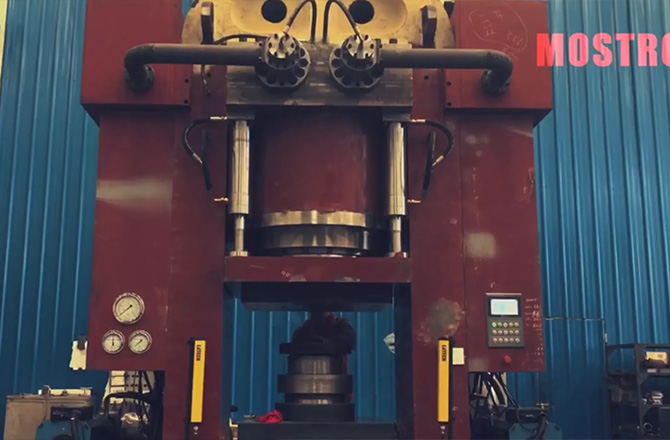
Forged aluminum cookware follows a forming route based on forging and related processing. The cookware may then move to machining, surface treatment, coating, and other finishing operations. This route is relevant when the product specification calls for forged aluminum cookware rather than a cast component.
Die casting is another route for suitable aluminum cookware or kitchen appliance components. A die-casting line may connect casting with trimming, finishing, and material handling. The correct arrangement depends on the component design and the requirements for the finished product.
These routes should not be treated as interchangeable choices for every project. A manufacturer should first define the products to be made, then confirm the forming method and the downstream operations. This prevents the factory from selecting equipment before the process requirements are clear.
Forming and Machining the Cookware
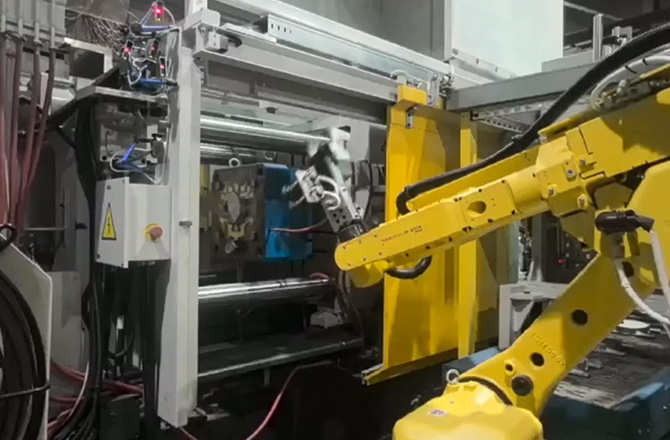
Once the cookware body or component has been formed, it may require trimming and machining before surface treatment. Trimming can remove unwanted material from the formed part. Machining can prepare selected areas for the required dimensions, surface condition, or later assembly.
The amount of machining depends on the product design. A line producing several sizes or shapes may also need to account for tooling changes, work-in-process handling, and access around each machine. These practical details affect the layout even when the main process stages remain the same.
For this reason, forming and machining should be planned as connected stages. If each operation is purchased and positioned separately, the factory may create unnecessary movement between processes. A coordinated layout makes the material path easier to review before installation.
Surface Treatment and Coating
Surface treatment follows the forming and machining stages when the product requires additional preparation or finishing. The publicly described forged aluminum cookware solution from MOSTRO includes surface treatment and coating as part of the wider production system.
Depending on the product requirements, surface-related operations may include preparation, polishing, coating, and final finishing. The exact combination should be defined by the cookware specification. Product dimensions, surface appearance, coating requirements, and the intended output can all affect the equipment arrangement.
Non-stick cookware requires particular attention to the relationship between the prepared surface and the coating stage. The coating material, application method, inspection criteria, and process conditions should be confirmed through the manufacturer’s technical requirements. They should not be assumed from the general product category alone.
Connecting the Processes Into a Production Line
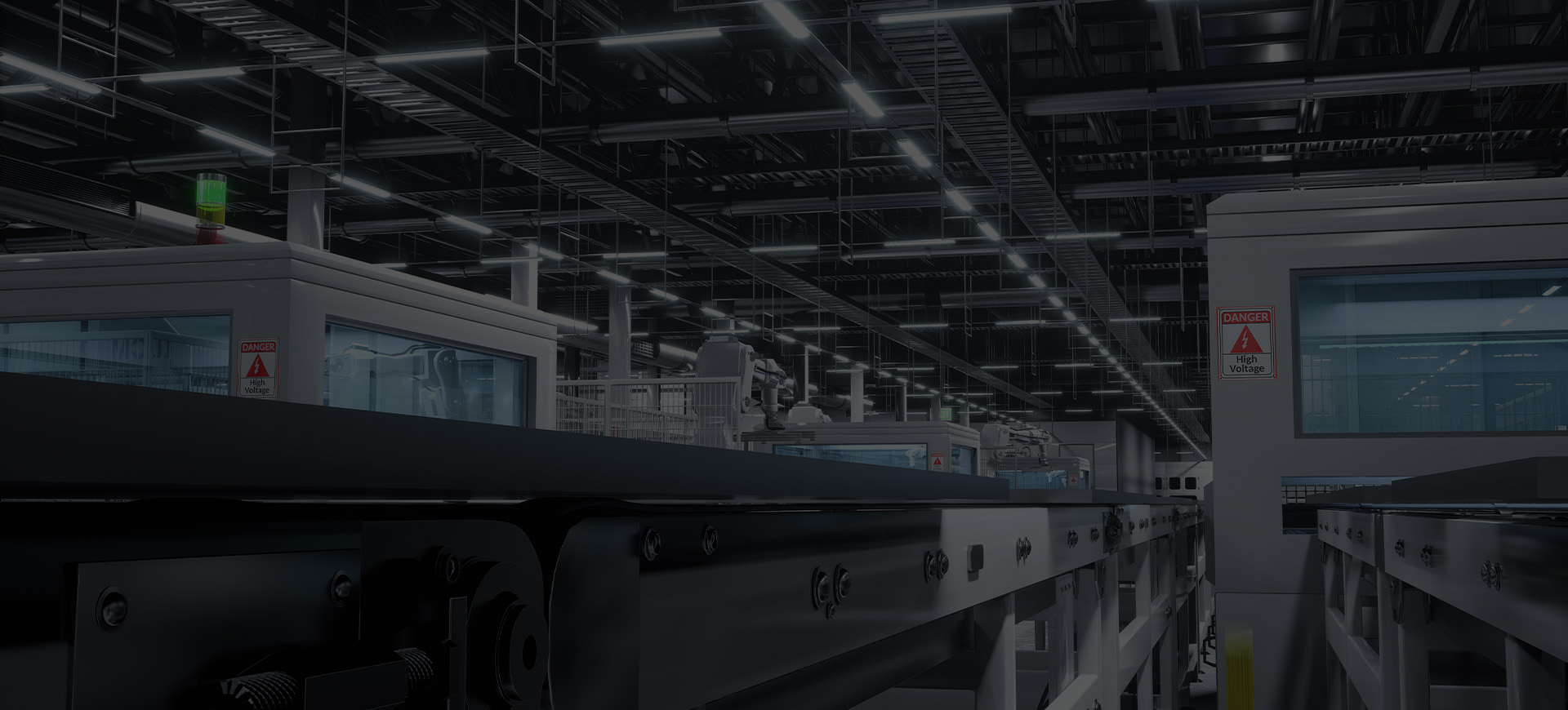
A production line connects the forming, machining, finishing, and handling stages into one planned workflow. For aluminum cookware, the layout should show how materials move from the forming stage through trimming, machining, surface treatment, coating, inspection, and the next production step.
The line also needs to fit the factory. MOSTRO states that its production solutions can be adapted to the scale of the facility. For a smaller factory, space use and a practical workflow may be the main planning concerns. For a larger plant, automated integration and future expansion may have a greater influence on the layout.
The purpose of integration is not simply to add more machines. It is to make sure that process sequence, equipment placement, material handling, inspection points, and production targets support the same manufacturing plan.
What to Define Before Selecting Equipment
|
Project input |
Why it matters |
|
Product range |
Defines the forming route, processing stages, and expected changeovers. |
|
Forming method |
Determines whether the project is based on forging, die casting, or another route. |
|
Surface requirements |
Clarifies whether machining, polishing, coating, or other finishing is needed. |
|
Output target |
Helps establish process speed, handling needs, and line balance. |
|
Factory conditions |
Affects equipment placement, material flow, storage, and future expansion. |
|
Existing equipment |
Shows which stages need to be added, replaced, or integrated. |
Planning an Aluminum Cookware Production Line
An aluminum cookware line should be planned from the product and process outward. The manufacturer first needs to define the cookware range, forming route, surface requirements, output target, and factory conditions. These inputs can then guide the process sequence, equipment list, and layout.
MOSTRO describes a project workflow that includes customer-needs analysis, solution design, process review, sample production, equipment testing, loading, installation, and follow-up support. For a new line or an upgrade, this type of project sequence helps connect the proposed equipment with the conditions in the factory.
Manufacturers can discuss an aluminum cookware project through MOSTRO’s Non-Stick and Forged Aluminum Cookware solution. Projects involving suitable aluminum components may also require a Die Casting Production Line. For a broader cookware project, the Cookware Production Line can be considered as part of the production planning discussion.
Contact MOSTRO for an Aluminum Cookware Production Line
Before requesting a production line proposal, prepare the main details of your project, including the cookware types, forming method, surface requirements, expected output, available factory space, and existing equipment.
With this information, MOSTRO can help review the production process, equipment connection, and factory layout for your aluminum cookware project.