Aluminum cookware is manufactured through different forming processes, with forging and pressing representing two distinct approaches to shaping aluminum bodies. Although both use mechanical force to form metal, they differ in their starting materials, deformation methods and tooling requirements. These differences influence the manufacturing process and the structural characteristics of the finished cookware.
Forged aluminum cookware is produced by applying compressive force to an aluminum blank or preform through specially designed dies. Pressed aluminum cookware typically starts with a flat aluminum sheet or circular blank, which is shaped through a pressing operation. The material therefore follows different deformation paths in each process, resulting in different requirements for material preparation, tooling design and forming operations.
The choice between these methods becomes particularly important when developing cookware with specific body dimensions, wall thicknesses and structural requirements. Examining how the aluminum is prepared, how it moves during forming and how the tooling controls the final shape provides a clearer understanding of the differences between forged and pressed cookware.
Understanding the Difference Between Forging and Pressing
The main distinction between forging and pressing lies in how the initial aluminum material is transformed into a cookware body. In forging, an aluminum blank or preform is placed into dedicated tooling and subjected to compressive force. The material undergoes plastic deformation within the die cavity, gradually taking the shape defined by the tooling. The resulting geometry depends on the initial material dimensions, die design and forming conditions.
Pressed aluminum cookware follows a sheet-forming process. A flat aluminum sheet or circular blank is first prepared to the required dimensions before being positioned between a punch and a die. As the punch applies force, the material flows and stretches into the shape of the cookware body. The punch and die work together to control the forming geometry, while blank dimensions, sheet thickness and tool geometry influence the final result.
The difference extends beyond the equipment used in each process. Forging involves compressive deformation of the starting material within the tooling, whereas pressing a sheet blank relies on controlled material flow and stretching. This affects how the material is distributed throughout the cookware body and how the tooling must be designed to achieve the intended dimensions.
Product geometry also plays an important role in process selection. Changes in cookware diameter, body depth and wall thickness can affect the starting material dimensions and the forming sequence. The appropriate method must accommodate these requirements while maintaining dimensional consistency and avoiding defects during production.
Tooling Design and Material Flow in Forging and Pressing
The tooling used in aluminum cookware forming is closely related to the shape of the finished body and the way material deforms during production. In forging, the die cavity must accommodate the movement of aluminum under compressive force while maintaining the required product geometry. Its design takes into account the dimensions of the starting blank, the amount of material needed to fill the cavity and the transitions between different sections of the cookware. Poorly matched blank dimensions or an unsuitable die profile can result in incomplete forming or excess material in certain areas.
As the forging operation progresses, aluminum is displaced within the die cavity rather than simply taking on a new surface shape. The distribution of material depends on the initial blank geometry and the pressure applied during forming. Areas with different thickness requirements may therefore need particular attention during die development. The objective is to achieve the intended shape while keeping material distribution consistent with the product design.
Sheet pressing involves a different set of tooling considerations. The punch and die determine the shape of the cookware body, while the blank holder controls the movement of material around the forming area. As the punch moves into the die, the aluminum sheet is drawn into the cavity. The flange must move inward at a controlled rate; too little restraint can allow wrinkles to develop, while excessive restraint can increase tensile stress and contribute to thinning or tearing. Punch and die radii, clearance, lubrication and blank holder force all affect how the sheet behaves during this operation.
These differences become particularly noticeable when forming cookware with deeper bodies or more demanding profiles. In sheet forming, material thickness can change as the blank stretches around the punch, especially along the sidewall and transition areas. Forging involves a different pattern of material displacement under compression, so the starting blank and die cavity must be designed around the intended final geometry. Neither process can be evaluated by tooling alone; the material dimensions, product shape and forming conditions need to be considered together.
For cookware production, these requirements influence the development of the tooling and the sequence of forming operations. A change in body diameter, depth or wall thickness may require adjustments to the blank dimensions, punch and die geometry, or forging cavity. The final tooling arrangement must match the product drawing and the capabilities of the selected forming process.
Differences in Cookware Body Structure and Finished Product Characteristics
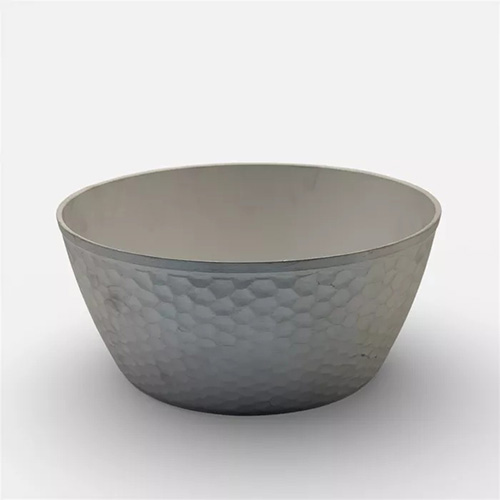
The forming method affects how aluminum is distributed throughout a cookware body, particularly around the base, sidewalls and the transition between these areas. The final structure also depends on the product design, starting material and tooling. A pan with a thicker base and thinner sidewalls, for example, requires a different material distribution from cookware designed with a more uniform wall thickness.
Base and Sidewall Thickness
The base and sidewalls have different structural requirements. The base forms the main contact area with the heat source, while the sidewalls determine the shape and depth of the cooking area. Their thickness therefore needs to be considered in relation to the overall product design.
During sheet pressing, the aluminum blank stretches as it moves into the die cavity. This can cause local thickness variations, particularly around the transition between the base and sidewalls. The extent of these changes depends on the original sheet thickness, product geometry and forming conditions. In forging, material is displaced under compressive force, with the starting blank and die design determining how the material fills the intended shape.
Cookware Depth and Body Geometry
Cookware depth, base diameter and sidewall profile all influence the forming process. A shallow frying pan and a deep cooking pot may require different forming conditions, even when their base diameters are similar.
Deeper cookware generally requires greater material movement during sheet drawing. If the material flow is not properly controlled, wrinkles, excessive thinning or tearing may occur. In forging, changes in body dimensions also affect the starting blank and die geometry. The forming process must therefore be developed around the actual cookware design rather than a standard shape.
Surface Condition and Dimensional Accuracy
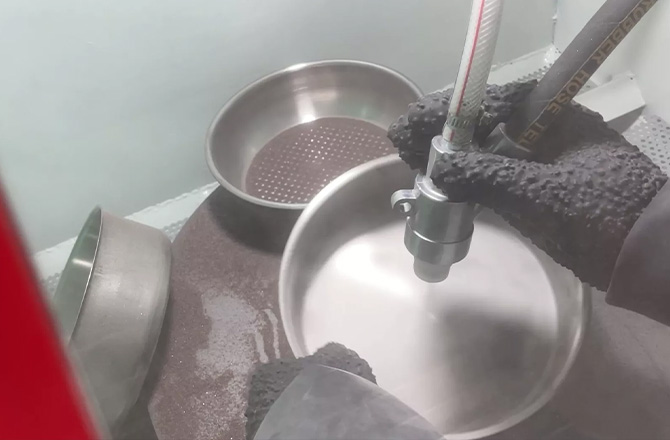
The condition of the cookware body after forming affects subsequent operations such as trimming, polishing and coating. Uneven surfaces or dimensional variations may require additional finishing and can affect the positioning of workpieces during later production stages. For non-stick cookware, surface preparation is also necessary before the coating process.
Base dimensions, body diameter and rim geometry must remain consistent with the product drawing, particularly when the cookware requires further machining or component assembly. These specifications influence both the forming process and the equipment required for subsequent operations.
Production Requirements and Process Selection
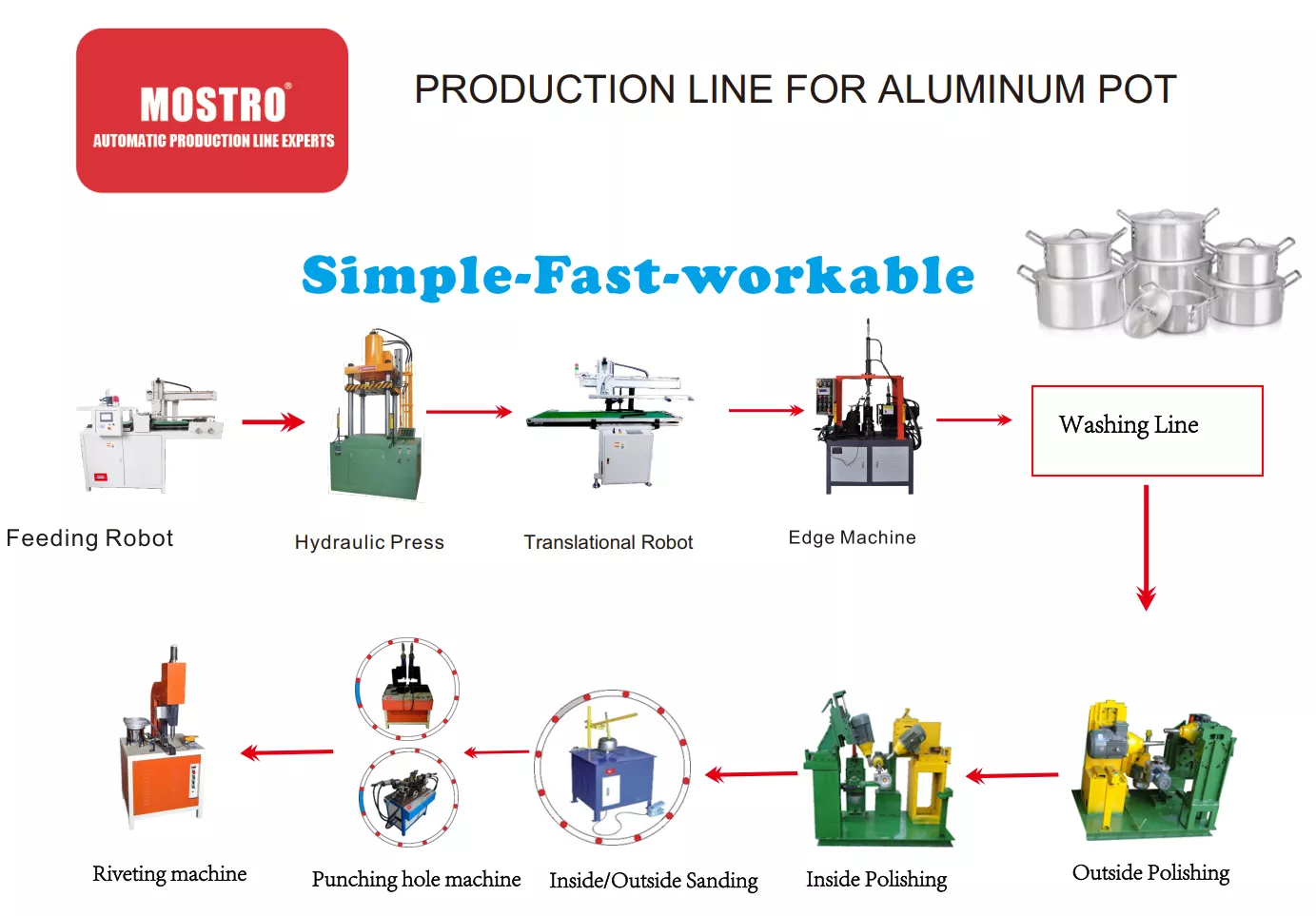
The choice between forging and pressing depends on the cookware design, material specifications and production requirements. Product dimensions, body depth and wall thickness influence the forming process, tooling and equipment configuration. When manufacturing different cookware models, tooling adjustments and production flexibility also need to be considered.
A complete production setup must also account for the operations following forming, including trimming, machining and surface finishing. The equipment arrangement depends on the product range, manufacturing sequence and available factory space.
For manufacturers planning forged aluminum cookware production, MOSTRO offers customized production line solutions based on individual product and factory requirements. Its Non-Stick & Forged Aluminum Cookware Production Line provides further details about the available solution.