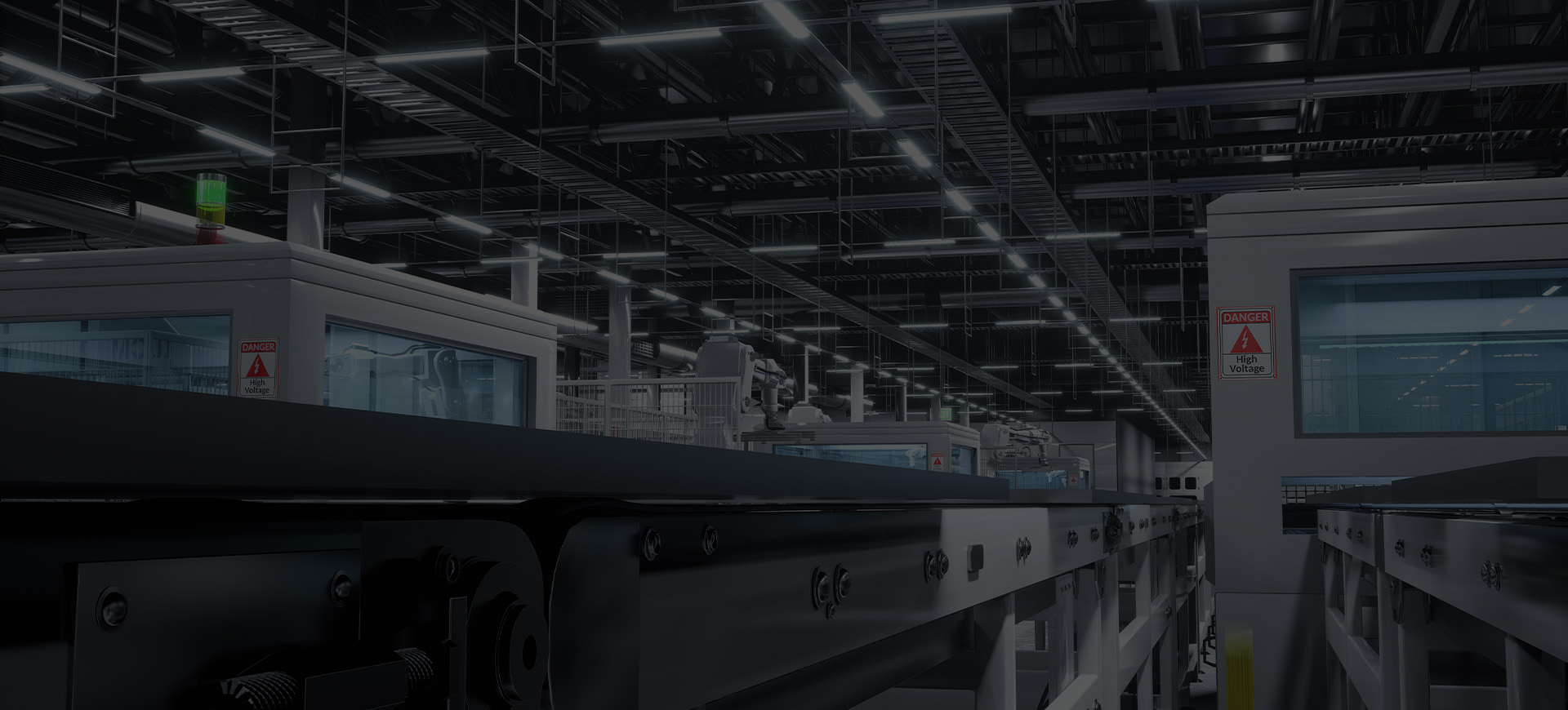
The knifemaking process of chef knives connects several operations, including blade forming, heat treatment, grinding, polishing, handle assembly, and final inspection. The exact sequence depends on the knife design, the handle structure, the required finish, and the production target.
For a manufacturer, the challenge is to arrange these operations as a consistent production flow. A line planned around the actual knife range can reduce unnecessary handling and make equipment selection easier to review. This article explains the main stages from blade preparation to finished kitchen knives.
What the Chef Knife Manufacturing Process Involves
Industrial chef knife production is more than shaping a blade. The blade must move through forming and heat treatment before grinding and polishing. It then needs to be matched with a handle and checked as a finished product. Each stage has a different purpose, but the stages must work together in one manufacturing plan.
The equipment arrangement may change for everyday kitchen knives, professional knife sets, specialty blades, or products with different handle structures. The factory should therefore define the knife range before selecting a fixed list of machines.
Step One Blade Forming
Blade forming creates the basic profile of the chef knife. The required shape, size, and design features should be defined before the forming equipment is selected. A factory producing several knife styles may also need to consider tooling changes and material movement between production stages.
Forming is the starting point for the later processes. The blade profile must be suitable for heat treatment, grinding, polishing, and handle assembly. Specific steel grades, blade thicknesses, forming pressures, and machine models depend on the manufacturer’s technical requirements and should not be assumed in a general process description.
Step Two Heat Treatment
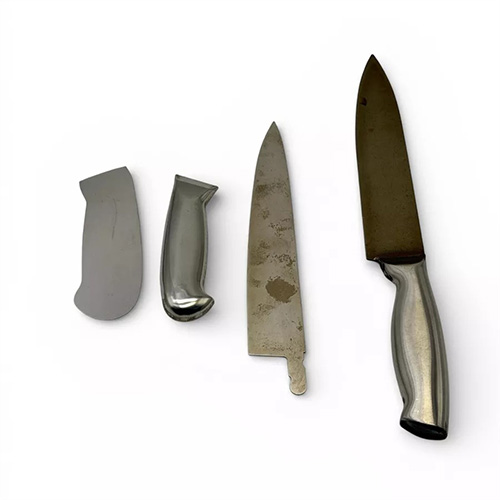
Heat treatment follows blade forming and prepares the blade for the next stages of processing. In a production line, this operation needs to be connected with the movement of formed blades into grinding and polishing.
The heat-treatment process should be defined by the knife manufacturer’s technical requirements. Temperature, holding time, cooling method, and hardness targets are not universal values for every chef knife, so they should be confirmed during process design rather than added without supporting specifications.
Step Three Grinding and Polishing
After heat treatment, grinding and polishing refine the blade. Grinding can be used to develop the required blade shape and edge area, while polishing processes the surface according to the product finish.
These operations should be planned with the knife range in mind. Different blade shapes or finishes may affect changeovers, equipment access, material handling, and inspection points. Claims about fixed edge angles, sharpness, surface roughness, or service life require product-specific evidence and are not assumed here.
Step Four Handle Assembly
The finished blade is then combined with a handle and other specified components. Handle assembly depends on the knife design and the materials selected for the handle. A production line may need to accommodate different handle types when the factory produces more than one kitchen knife range.
The assembly stage should connect smoothly with blade finishing and final inspection. The actual joining method, component tolerances, and assembly equipment should be confirmed from the approved product design. They should not be treated as the same for plastic-handle, wooden-handle, and other knife configurations.
Step Five Final Inspection and Product Handling
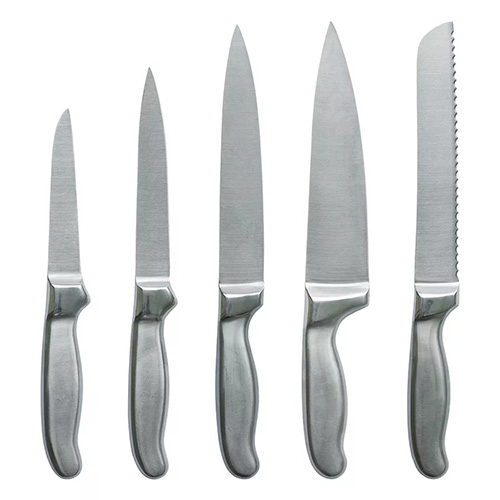
Final inspection confirms that the completed knife matches the manufacturer’s product requirements. Depending on the product, the factory may review the blade appearance, handle assembly, dimensions, and general completeness before the knives move to classification, storage, or packing.
The inspection area should be planned as part of the production flow. It needs enough space for handling finished knives and for separating products that require further adjustment or review. Exact inspection criteria depend on the product specification and should be established before the line is finalized.
Connecting the Knife Manufacturing Processes
Blade forming, heat treatment, grinding, polishing, handle assembly, and inspection should be considered as one connected system. Purchasing each machine separately can create unnecessary movement or gaps between operations. A coordinated layout makes it easier to review process speed, equipment placement, operator access, and material flow.
The planning approach may also differ between a new factory and an existing plant. A new project needs a complete process and layout. An upgrade needs a review of the machines that will remain, the stages that need to be added, and the points where the existing workflow is interrupted.
Planning a Kitchen Knife Production Line
Before selecting equipment, a manufacturer should define the knife types, blade sizes and shapes, handle requirements, target output, factory space, existing equipment, quality requirements, and desired level of automation. If the factory also plans to produce scissors or other blades, those products should be considered separately because their processes may not match chef knife manufacturing.
A production line can then be planned around the confirmed product range and process route. Sample production, equipment testing, installation, and operator training may also form part of the project when a factory is building a new line or integrating several separate operations.
Manufacturers planning a new kitchen knife production line can also review related handle production line requirements when the knife range includes different handle structures.
Contact MOSTRO for a Kitchen Knife Production Line
Planning a new kitchen knife production line or upgrading an existing factory? Contact MOSTRO with your knife types, handle requirements, target output, factory size, and current equipment list. Our team can discuss the forming, heat treatment, grinding, polishing, assembly, and inspection requirements for your project.
Contact MOSTRO to discuss your kitchen knife production project.